Laparoscopy
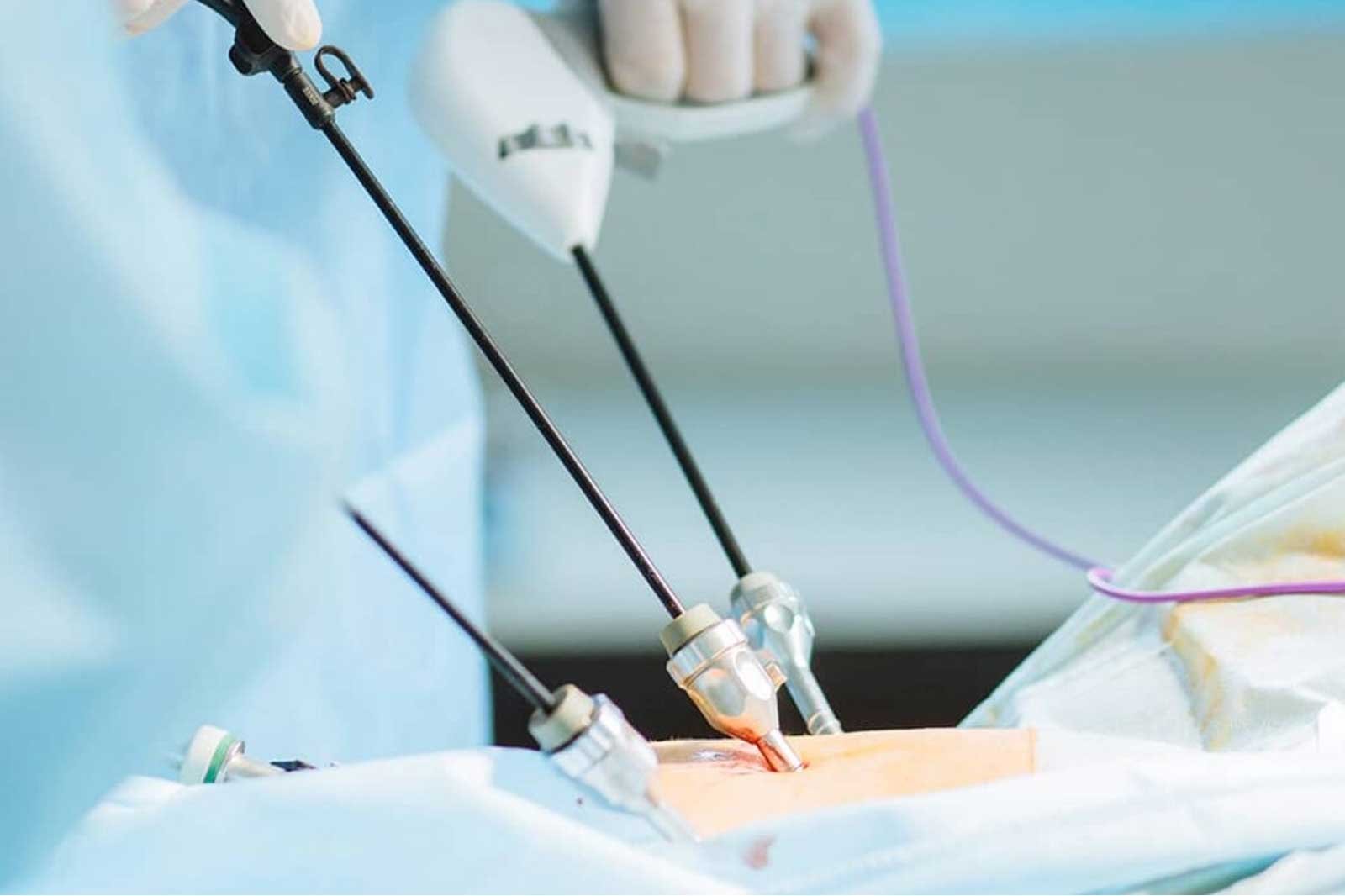
Laparoscopy is a minimally invasive keyhole surgery used to diagnose and treat conditions affecting the pelvic organs, offering faster recovery compared to open surgery.
Who May Benefit
My Approach
- Detailed consultation
- Appropriate investigations
- Shared decision-making
- Individualized treatment planning
- Continuous follow-up
Frequently Asked Questions
When should I seek help?
Unexplained infertility, suspected endometriosis, blocked tubes, or an ovarian cyst that needs closer evaluation are common reasons laparoscopy is recommended.
What tests are required?
Prior imaging (ultrasound) and relevant blood tests are usually done first; laparoscopy itself is both a diagnostic and, when needed, a treatment procedure.
What is laparoscopy and who needs it?
Laparoscopy is a keyhole surgical procedure that allows direct visualization of the uterus, tubes, and ovaries through small incisions. It’s used to diagnose and treat conditions like endometriosis, blocked tubes, cysts, and unexplained infertility.
Can the tubes be rejoined after a tubectomy?
In some cases, tubal recanalization (reversal) is possible depending on the type of tubectomy done and the remaining tube length, but success varies and is evaluated case by case; IVF may sometimes be a more reliable option.
Is there a scar after laparoscopy?
Laparoscopy involves a few small incisions, usually around 5–10mm, which typically heal into faint, minimal scars compared to open surgery.
Why is laparoscopy preferred over open procedures for fertility patients?
It causes less tissue trauma, reduces the risk of adhesion formation, and allows faster recovery — all important considerations for preserving and protecting fertility.
What are my treatment options?
Depending on findings, this may include tubal assessment or surgery, removal of cysts or endometriotic tissue, or fibroid removal — often in the same sitting as diagnosis.
What can I expect during treatment?
A day-care or short-stay surgical procedure under general anesthesia, with a few small incisions and a recovery period of about a week.